
In fluid control systems where safety, reliability, and rapid response are critical, the quick closing valve stands out as an essential component. Whether installed in marine pipelines, industrial plants, fuel transfer systems, or emergency shutdown environments, this type of valve plays a crucial role in preventing accidents, reducing fluid loss, and protecting both equipment and personnel. Selecting the right quick closing valve requires more than knowing basic specifications; it involves understanding how different designs, materials, and actuation methods interact with real-world operating conditions.
Understanding the Function of a Quick Closing Valve
A quick closing valve is designed to shut off fluid flow rapidly, often within a fraction of a second. This feature is vital in scenarios such as fuel leakage, sudden pressure drops, or fire emergencies. Depending on the system design, these valves may be manually triggered, mechanically actuated, pneumatically activated, or connected to an automatic emergency shutdown system.
Their primary functions include:
-
①Preventing hazardous liquid or gas escape
-
②Minimizing downtime after an emergency
-
③Protecting downstream equipment
-
④Enhancing overall system safety and compliance
Because these valves often operate under demanding conditions, the selection process must account for performance reliability under stress.
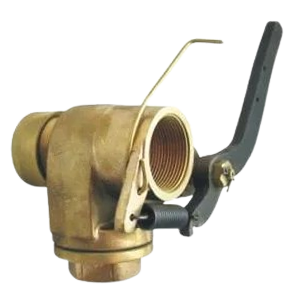
Key Factors to Consider When Selecting a Quick Closing Valve
1. Application Environment
Different industries present vastly different working environments. A marine environment, for example, demands high corrosion resistance; an oil and gas system requires fire-safe certification; chemical processing may need compatibility with corrosive or high-temperature media.
Consider:
-
①Marine vs. industrial vs. energy sectors
-
②Indoor or outdoor installation
-
③Exposure to saltwater, humidity, vibration, or extreme temperatures
-
④Compliance with sector-specific standards (e.g., DNV, ABS, API)
2. Media Type and Operating Parameters
The characteristics of the fluid determine much of the valve’s configuration.
Key parameters include:Liquid, gas, or steam.Pressure rating (PN16, PN25, PN40, etc.).Temperature range.Viscosity and density.Flammable or toxic media requirements.
Choosing a valve that matches the media ensures stable switching performance and long service life.
3. Actuation Method
Quick closing valves are available in multiple actuation types, and the right choice depends on system response requirements.
Common methods:
-
①Manual pull-to-close: Reliable and simple; ideal for smaller systems
-
②Mechanical lever or weight mechanism: Fast shutoff upon trigger
-
③Pneumatic actuation: Suitable for centralized control and emergency shutdown (ESD) systems
-
④Hydraulic actuation: Stable under high pressure
-
⑤Electromagnetic / solenoid trigger: Integration with automation and fire detection systems
In safety-critical systems, redundancy—such as combining pneumatic actuation with manual override—may be necessary.
4. Valve Body Material
Material selection directly influences durability and compliance.
Common materials for quick closing valves include:
-
①Cast steel / stainless steel for industrial or marine use
-
②Bronze / brass for seawater systems
-
③Duplex stainless steel for highly corrosive environments
-
④Fire-safe certified materials for fuel systems
Corrosion, erosion, and temperature resistance must all be evaluated carefully.
5. Closing Speed and Stability
The most important characteristic—closing speed—must match system requirements without causing pressure shock or water hammer.
A well-designed valve provides:
-
①Fast closure under emergency conditions
-
②Controlled movement to avoid pipe vibration
-
③Stable long-term performance even with frequent activation
Advanced designs include damping mechanisms to reduce impact on the pipeline.
6. Certification and Compliance
For industries such as marine, oil & gas, and chemical processing, certifications are essential.
Look for:
-
①DNV, ABS, BV, LR (maritime classification)
-
②CE for European compliance
-
③ISO 9001, ISO 14001 (quality and environmental systems)
-
④API 607 / Fire-Safe certifications
Compliance ensures the valve meets industry-standard safety requirements.
7. Maintenance Requirements
Quick closing valves must operate flawlessly even after long periods without activation. Therefore, ease of inspection and maintenance is crucial.
Consider:Accessibility of actuator components.Lubrication needs.Replacement part availability.Whether the valve can be tested without interrupting system operation
A low-maintenance design reduces long-term operational costs.
Why the Correct Choice Matters
An improperly selected quick closing valve can lead to serious consequences—delayed shutdowns, mechanical damage, and increased risk of leakage or fire. Conversely, a well-chosen valve:
-
①Enhances operational safety
-
②Improves emergency response efficiency
-
③Reduces unplanned downtime
-
④Supports compliance with international regulations
-
⑤Delivers long-term cost savings
Post time: Dec-10-2025