
What Is a Ball Float Valve?
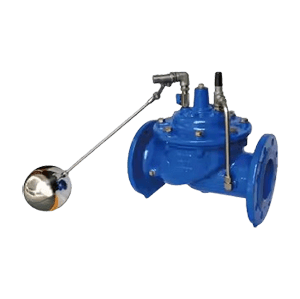
A ball float valve is an automatic level-control valve that uses a floating ball connected to a lever or arm to regulate the opening and closing of a valve. Its primary job is to maintain a preset liquid level in a tank or reservoir without the need for external power or manual operation.
You’ll commonly find ball float valves in:
-
①Marine fresh water and ballast tanks
-
②Fuel and lube oil service tanks
-
③Cooling water systems
-
④Industrial water storage tanks
-
⑤HVAC make-up water systems
How Ball Float Valves Work
The working principle of a ball float valve is based on buoyancy and mechanical linkage.
Step-by-Step Working Principle
-
Low Liquid Level – Valve Opens
When the liquid level in the tank drops, the float ball descends with it.This movement pulls the lever arm downward, opening the valve and allowing fluid to flow in. -
Rising Liquid Level – Flow Regulated
As the tank fills, the float ball rises due to buoyancy.The lever gradually pushes the valve toward the closed position, reducing inflow. -
Target Level Reached – Valve Closes
Once the preset liquid level is reached, the float lifts the lever fully, closing the valve and stopping further inflow.
This continuous mechanical feedback loop allows precise and reliable liquid level control.
Key Components of a Ball Float Valve
-
①Float ball (plastic, stainless steel, copper, or stainless steel)
-
②Lever arm or rod
-
③Valve body
-
④Valve seat and sealing element
-
⑤Inlet connection
Each component plays a role in ensuring smooth operation and long service life, especially in demanding marine or industrial environments.
Why Ball Float Valves Matter
1. Automatic Level Control Without Power
Ball float valves operate entirely mechanically, meaning:
-
①No electricity required
-
②No sensors or control panels
-
③High reliability even during power failure
This makes them especially valuable in marine and remote installations.
2. Prevent Overflows and Spills
By shutting off inflow at the correct level, ball float valves:
-
①Prevent tank overfilling
-
②Reduce the risk of water damage or oil spills
-
③Protect surrounding equipment and structures
In marine applications, this directly supports ship safety and environmental protection.
3. Protect Pumps and System Components
Stable liquid levels help:
-
①Prevent pumps from running dry
-
②Reduce cavitation risk
-
③Extend pump and system lifespan
This is critical in cooling water, fuel supply, and ballast systems.
4. Simple Design, High Reliability
With few moving parts, ball float valves:
-
①Are easy to install and maintain
-
②Have low failure rates
-
③Perform well in harsh conditions when properly selected
Their simplicity is one of their greatest strengths.
5. Cost-Effective Long-Term Solution
Compared with electronic level control systems, ball float valves:
-
①Have lower initial cost
-
②Require minimal maintenance
-
③Offer long service life
This makes them a practical choice for both new installations and retrofits.
Common Types of Ball Float Valves
Depending on application and medium, ball float valves can vary in:
-
①Float material: plastic (PVC), stainless steel, copper
-
②Valve material: brass, bronze, cast iron, stainless steel
-
③Connection type: threaded or flanged
-
④Pressure rating and size
For marine use, corrosion-resistant materials such as bronze or stainless steel are strongly recommended.
Important Considerations When Selecting a Ball Float Valve
To ensure reliable performance, consider:
-
①Fluid type (water, fuel, oil, chemicals)
-
②Operating pressure and temperature
-
③Tank size and required flow rate
-
④Installation orientation and available space
-
⑤Marine or industrial standards and approvals
Choosing the wrong specification can lead to unstable level control or premature failure.
Maintenance Tips for Reliable Operation
Even though ball float valves are low-maintenance, regular checks are essential:
-
①Inspect the float for leaks or deformation
-
②Ensure free movement of the lever arm
-
③Check valve seat for wear or debris
-
④Remove scale, sludge, or corrosion buildup
Post time: Jan-27-2026