
In marine engineering, every component installed on a vessel influences reliability, safety, and system efficiency. Among these critical components, the knife gate valve plays a unique role—especially in environments where thick, viscous, or solid-laden media are present. From ballast water pipelines to wastewater systems, bilge discharges, dredging lines, and slurry transfer, knife gate valves ensure stable flow control and dependable shutoff even under harsh conditions. Selecting the right type of knife gate valve is essential, but selecting the right size is what determines long-term performance and system compatibility.
Understanding the Role of Knife Gate Valves in Marine Systems
Knife gate valves are designed with a sharp-edged gate capable of cutting through suspended solids, debris, or sludge. This makes them especially suitable for:
-
①Ballast water treatment systems
-
②Marine wastewater and sewage pipelines
-
③Dredging and slurry transport
-
④Engine room drainage systems
-
⑤Cooling water circuits in high-sediment regions
Their ability to provide full-bore flow and minimal pressure drop makes sizing decisions extremely important.
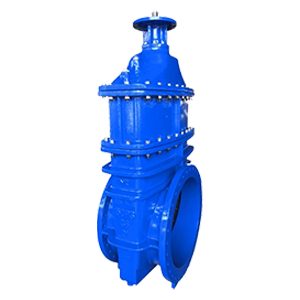
Key Considerations for Sizing a Knife Gate Valve in Marine Applications
1. Match the Valve Size to the Pipeline Diameter—But Verify Flow Requirements
While knife gate valves are typically selected to match the nominal diameter of the pipeline, marine applications often involve:Slurry flow.High sediment concentration.Variable pressure.Intermittent operation
Because of these factors, the effective internal diameter of both the pipe and valve should be compared. A misaligned internal bore can cause turbulence, flow restriction, or accumulation of solids.
Best practice:Select a valve with a bore that closely matches the pipeline ID to maintain smooth flow and avoid blockage.
2. Evaluate Flow Rate and Velocity Needs
Marine systems differ from industrial systems because they often operate:At lower pressures.With fluctuating flow rates.With media containing solids.
Knife gate valves are not ideal for throttling. Therefore, choosing the correct size ensures the required flow passes through without needing partial valve opening, which can cause rapid wear.If velocity is too low, sediment may settle; if too high, erosion may occur. Proper sizing keeps velocity within the ideal range.
3. Consider Pressure Rating and System Pressure Drop
Knife gate valves in marine settings are often found in low-pressure lines
Select a valve that:
-
①Matches the pipeline pressure class (PN10, PN16, etc.)
-
②Minimizes pressure drop across the valve
-
③Maintains tight shutoff at low pressures, where many valves struggle
A correctly sized valve allows the pipeline to maintain stable operation without overloading pumps or reducing flow capacity.
4. Analyze Media Characteristics—They Influence Sizing
Media in marine systems can include:Ballast water with sand or silt.Greywater or sewage.Engine cooling water containing marine growth.Dredged slurry
Higher solids content requires:Full-bore sizing.No reduction in passage.Choosing a valve with a robust gate edge and reinforced seat
If the application involves high solids, upsizing by one nominal size may be recommended only when properly supported by flow calculations.
5. Account for Installation Space and Operation Method
On vessels, space is limited. Engine rooms, cargo holds, and below-deck installations often restrict:Valve height.Actuator placement.Accessibility for maintenance
Before finalizing the valve size:
-
①Confirm clearance for handwheel, pneumatic cylinder, or electric actuator
-
②Check for pipe misalignment
-
③Consider the distance to bulkheads, pumps, and tanks
A correctly sized valve must physically fit without compromising accessibility or safety.
6. Consider Classification Society Requirements
Marine-grade knife gate valves must meet standards from organizations such as:DNV.ABS.LR.BV
These standards influence:Approved pressure/temperature ratings.Minimum wall thickness.Material selection for seawater use (e.g., SS316, duplex stainless steel, bronze options)
Proper sizing includes selecting a valve certified for the vessel’s operating conditions.
7. Check End Connection Compatibility
Marine pipelines may use:Flanged ends (common and recommended).Lug type (frequent in on-board machinery systems).Wafer type (for compact installation)
Ensure:Bolt patterns match existing flanges.No internal protrusion reduces effective bore size.Gasket type suits the media
Correct sizing requires compatibility across all connection points.
Why Proper Sizing Matters in Marine Applications
An improperly sized knife gate valve can lead to:
-
①Flow restriction
-
②Increased sediment buildup
-
③Premature valve wear
-
④Vibration and noise
-
⑤Higher pump energy consumption
-
⑥Safety risks in ballast or drainage systems
A correctly sized valve provides:
-
①Stable flow control
-
②Reliable shutoff even in dirty media
-
③Reduced maintenance cost
-
④Longer service life
-
⑤Compliance with marine standards
In marine engineering—where reliability means safety—correct sizing is non-negotiable.
Post time: Dec-11-2025