
1. Understand the Purpose and Application Conditions
Before selecting a pressure relief valve, clearly define why and where it will be used. Different systems impose different demands on a PRV. Key factors include:
-
①Type of fluid (liquid, gas, steam, or corrosive media)
-
②Normal operating pressure and temperature
-
③Maximum allowable working pressure (MAWP)
-
④Frequency of pressure fluctuations
A valve designed for steam service, for example, may not perform safely in liquid systems. Matching the valve type to real operating conditions is the foundation of safe selection.
2. Choose the Correct Set Pressure
The set pressure determines when the valve will open to relieve excess pressure. It should always be:Below the system’s maximum allowable pressure.Above normal operating pressure to avoid nuisance lifting.
As a general rule, the set pressure is typically 10–15% higher than normal operating pressure, depending on system standards and regulations. Incorrect set pressure is one of the most common causes of PRV malfunction.
3. Select the Right Valve Type
-
Spring-loaded relief valves: Widely used, simple structure, suitable for most industrial applications
-
Pilot-operated relief valves: Ideal for high-pressure systems with stable operation and minimal leakage
-
Thermal relief valves: Designed to protect against pressure rise caused by thermal expansion of liquids
Understanding the advantages and limitations of each type ensures optimal performance and longer service life.
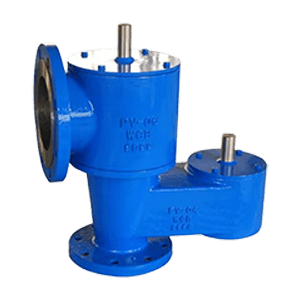
4. Pay Attention to Materials and Standards
-
①Brass for general water systems
-
②Cast steel or stainless steel for high-pressure or corrosive media
-
③Bronze alloys for marine applications
In addition, ensure the valve complies with relevant international standards such as ASME, API, ISO, or marine classification approvals where applicable.
5. Proper Installation Matters
-
①Install the valve in the correct orientation
-
②Ensure inlet piping is short, straight, and free of restrictions
-
③Avoid excessive back pressure on the outlet
-
④Never install isolation valves between the PRV and the protected equipment unless permitted by code
Correct installation ensures fast response and accurate pressure relief when it matters most.
6. Operate the Valve Within Its Design Limits
Pressure relief valves are safety devices, not control valves. Avoid using them for frequent pressure regulation. Continuous or repeated lifting can lead to:Seat wear.Leakage.Reduced accuracy of set pressure.
Stable system operation significantly extends the life of a PRV and maintains its reliability.
7. Regular Inspection and Testing
Routine inspection and maintenance are essential. Best practices include:
-
①Periodic visual inspections for corrosion, leakage, or blockage
-
②Functional testing according to system criticality
-
③Recalibration or replacement based on manufacturer recommendations
In safety-critical systems, documented inspection records are often required by regulations and classification societies.
8. Replace Aging or Damaged Valves Promptly
Pressure relief valves are not lifetime components. Springs can weaken, seats can erode, and seals can harden over time. If a valve shows signs of repeated leakage, unstable operation, or physical damage, replacement is usually safer and more economical than repair.
Post time: Feb-05-2026