
In fluid control systems where media can be abrasive, corrosive, or contain suspended solids, conventional valve designs often struggle with wear, clogging, or sealing failure. Pinch valves solve these challenges using a simple yet highly effective mechanism: instead of metal components contacting the fluid, a flexible sleeve is compressed externally to control flow. This unique design makes pinch valves particularly valuable in industries that handle slurry, wastewater, powders, and sensitive fluids.
What Is a Pinch Valve
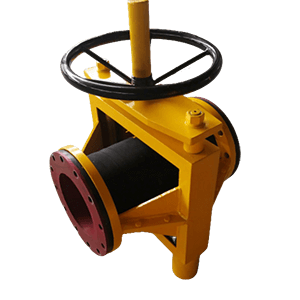
A pinch valve is a type of flow control valve that uses a flexible elastomer sleeve (or liner) as the main flow path. The valve operates by mechanically pinching the sleeve from the outside, stopping or regulating fluid flow without exposing metal components to the process media.
Because the media only contacts the sleeve interior, pinch valves are widely used in systems where contamination, corrosion, or abrasion is a concern. Their simple structure also reduces the number of internal moving parts compared with many traditional valve types.
From a design perspective, pinch valves can be manually operated, pneumatically actuated, or electrically actuated, making them adaptable to both automated industrial plants and simple mechanical systems.
How Pinch Valves Work
-
①The valve contains a rubber or elastomer sleeve installed inside the valve body
-
②External mechanical force compresses (pinches) the sleeve
-
③When fully pinched, flow stops completely
-
④When released, the sleeve returns to its original shape and flow resumes
This isolation mechanism prevents sediment buildup and reduces leakage risks. The design also ensures tight shutoff because the sleeve can fully collapse, unlike rigid-seat valves that may allow minor leakage over time.In addition, since no cavities or dead zones exist inside the flow path, pinch valves are highly resistant to clogging, even when handling viscous or particle-filled media.
Key Advantages of Pinch Valves
1. Excellent Handling of Abrasive and Slurry Media
Pinch valves are widely used in slurry and abrasive applications because the flexible sleeve absorbs particle impact better than metal surfaces.
2. Full Bore Flow
Most pinch valves provide unrestricted flow when open, minimizing pressure drop and improving system efficiency.
3. Strong Corrosion Resistance
Since only the sleeve contacts the media, material selection can be optimized for chemical compatibility.
4. Low Maintenance Requirements
With fewer internal components, pinch valves are easier to service, often requiring only sleeve replacement.
5. Bubble-Tight Sealing
The complete collapse of the sleeve enables reliable shutoff performance even with suspended solids.
Typical Applications of Pinch Valves
1.Wastewater Treatment
Pinch valves are widely used in sewage and sludge systems because they resist clogging and handle suspended solids effectively.
2.Mining and Mineral Processing
Mining operations rely on pinch valves to control abrasive slurry containing sand, ore particles, and chemicals.
3.Food and Beverage Processing
Food-grade sleeves allow hygienic flow control for products like sauces, powders, and liquid foods.
4.Pharmaceutical and Biotechnology
Because the media only contacts the sleeve, contamination risk is reduced, supporting sterile processing environments.
5.Chemical Processing
Chemical plants use pinch valves for corrosive acids, alkalis, and reactive liquids where metal valves may degrade.
Post time: Feb-05-2026