
DIN Globe Valves are widely used in industrial pipelines—including steam systems, oil & gas, marine, chemical, and HVAC applications—because they offer precise throttling and reliable shut-off performance. One of the most important structural components of a DIN Globe Valve is the bonnet, which houses the stem and internal sealing components. Different bonnet designs are selected based on temperature, pressure, media characteristics, and maintenance requirements.
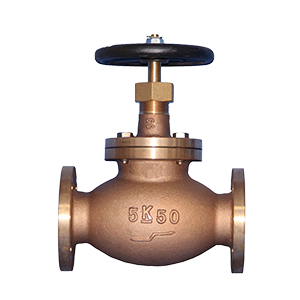
1. Standard Bonnet (Bolted Bonnet)
The bolted bonnet is the most common design in DIN globe valves, used for a wide range of general-purpose applications.
Features
-
①Simple, robust structure
-
②Sealed with a gasket between the body and bonnet
-
③Suitable for water, oil, gas, and low to medium-temperature services
-
④Easy to disassemble for maintenance
Typical Use
Heating systems, water distribution, industrial utilities, marine pipelines, and general media control.
2. Pressure Seal Bonnet
Pressure seal bonnets are designed for high-pressure and high-temperature environments.
Features
-
①Unique pressure-assisted sealing: the higher the internal pressure, the tighter the seal
-
②Compact body structure
-
③Typically used for PN40, PN63, PN100, or higher rating valves
-
④Lower risk of leakage compared to bolted bonnet under extreme conditions
Typical Use
Superheated steam, power generation, high-pressure oil & gas, refinery units.
3. Bellow Seal Bonnet (Bellows-Sealed Globe Valve)
A bellow seal bonnet is designed to prevent stem leakage entirely, making it ideal for hazardous, toxic, or volatile media.
Features
-
①Stainless steel bellow welded to the stem to achieve zero leakage to atmosphere
-
②Double-sealing design: bellows + packing
-
③Long service life and reduced maintenance
-
④Ensures environmental safety and meets strict fugitive emission standards
Typical Use
Chemical plants, toxic fluids, steam, thermal oil, flammable gases, and industries requiring low fugitive emissions.
4. Extended Bonnet
An extended bonnet increases the distance between the media and the packing, protecting the stem from extreme temperatures.
Features
-
①Prevents packing degradation at high temperatures
-
②Protects stem from low-temperature frost in cryogenic applications
-
③Commonly used with long-neck designs
Typical Use
Cryogenic service (LNG, liquid nitrogen), high-temperature steam, thermal oil systems.
5. Y-Pattern (Y-Type) Bonnet
Although not always classified strictly as a “bonnet,” the Y-pattern design is a variation of the bonnet-body interface that reduces flow resistance.
Features
-
①45° angle reduces pressure drop
-
②Suitable for high-pressure drop throttling
-
③Longer lifespan for seat and disc
-
④Lower energy consumption compared to Z-type globe valves
Typical Use
High-pressure steam, severe throttling applications, boiler feedwater systems.
Post time: Dec-11-2025