
Check valves are simple components, but they play a critical role in keeping piping systems safe, stable, and efficient. Whether in marine systems, industrial plants, or building services, a properly placed check valve prevents reverse flow, protects equipment, and helps maintain system pressure. Knowing where to use check valves in a piping system is just as important as choosing the right type.
1. Pump Discharge Lines
One of the most common locations for a check valve is immediately downstream of a pump.
When a pump stops, fluid can flow backward due to gravity or system pressure. This reverse flow can damage pump impellers, cause water hammer, or lead to system instability. Installing a check valve on the discharge line prevents backflow and protects the pump from sudden pressure surges.This is especially important in marine pumps, cooling water systems, fire pumps, and ballast systems.
2. Vertical Piping Systems
Check valves are widely used in vertical pipelines, where gravity can easily cause backflow.
In vertical installations, a check valve ensures that fluid only moves upward or downward as designed. Without it, liquid can fall back when the system shuts down, leading to pressure loss or mechanical damage.Swing check valves, lift check valves, and spring-loaded check valves are commonly used in vertical piping, depending on flow direction and pressure conditions.
3. Water Supply and Distribution Lines
In water supply systems, check valves are used to prevent contamination and backflow.
They are often installed:After water meters.At branch connections.At points where potable water connects to non-potable systems
This prevents dirty or contaminated water from flowing back into clean supply lines. In marine and offshore systems, this is critical for freshwater, seawater, and domestic water networks.
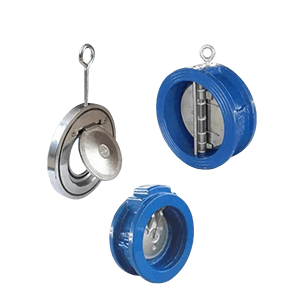
4. Boiler and Steam Systems
Check valves are essential in boiler feedwater lines and steam systems.
In these applications, they:Prevent reverse flow into the boiler.Maintain correct pressure direction.Protect boilers from thermal shock
High-temperature check valves made from cast steel or stainless steel are commonly used here to handle heat and pressure safely.
5. Compressed Air and Gas Lines
Check valves are frequently installed in compressed air systems and gas pipelines.
They stop pressurized air or gas from flowing backward when compressors shut down. This protects compressors, regulators, and control valves while keeping pressure stable across the system.Spring-loaded check valves are often preferred due to their fast response and compact design.
6. Marine and Shipboard Systems
On ships, check valves are used in many critical locations, including:Ballast systems.Bilge systems.Firefighting pipelines.Fuel and lubrication lines
In these systems, check valves prevent flooding, cross-contamination, and dangerous reverse flow under rolling and pitching conditions. Marine check valves are designed to meet classification society standards and handle corrosion from seawater.
7. Drainage and Sewage Lines
Check valves are also installed in drain and sewage systems to stop backflow during overload or blockage conditions.
This is especially important in low-lying pipelines where backflow could cause flooding or system failure. Flap-type or swing check valves are commonly used in these applications.
Post time: Jan-21-2026