
When it comes to plumbing systems, valve selection directly affects safety, durability, and long-term operating costs. Among the many options available, brass ball valves remain one of the most widely used and trusted solutions in residential, commercial, and industrial plumbing. Their popularity is not accidental. It is the result of reliable performance, material stability, and practical design.
Excellent Durability and Long Service Life
Brass is a metal alloy known for its strength and resistance to wear. In plumbing environments where valves are frequently opened and closed, brass ball valves maintain structural integrity over time. They are less prone to cracking or deformation compared to plastic valves, especially under continuous pressure and temperature fluctuations. This durability makes brass ball valves suitable for long-term installation with minimal replacement needs.
Strong Corrosion Resistance
Plumbing systems are constantly exposed to water, moisture, and sometimes chemicals. Brass naturally resists corrosion caused by water and mild chemicals, reducing the risk of internal rust buildup or external surface degradation. This corrosion resistance ensures consistent flow performance and helps prevent leakage caused by weakened valve bodies. In potable water systems, this stability is especially important for maintaining water quality.
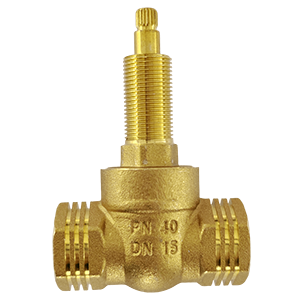
Reliable Sealing and Leak Prevention
Brass ball valves use a spherical ball with a tight sealing surface. When the handle is turned, the ball rotates smoothly to fully open or fully close the flow path. This design allows for a tight shut-off with minimal torque. Compared with gate or globe valves, brass ball valves reduce the chance of internal leakage and provide a more dependable seal over repeated operation cycles.
Easy Operation and Maintenance
One of the key advantages of brass ball valves is simple operation. A quarter-turn handle clearly indicates whether the valve is open or closed. This makes them user-friendly for plumbers, maintenance staff, and homeowners. Maintenance requirements are also low. The internal structure is simple, and the valve is less sensitive to debris in the pipeline compared with other valve types.
Wide Application Compatibility
Brass ball valves are compatible with a wide range of plumbing systems. They are commonly used in hot water lines, cold water supply systems, HVAC piping, gas distribution lines, and general plumbing installations. Their ability to handle moderate pressure and temperature makes them a flexible choice across different applications.
Cost-Effective Over the Long Term
While brass ball valves may cost more upfront than plastic alternatives, they offer better value over time. Fewer failures, reduced maintenance, and longer service life help lower overall system costs. For plumbing systems where reliability is critical, brass ball valves are a practical investment.
Compliance with Plumbing Standards
Many brass ball valves are manufactured to meet international plumbing and safety standards. This ensures compatibility with building codes and regulatory requirements in different regions. Using certified brass ball valves also adds confidence in system safety and compliance.
Post time: Dec-25-2025