
Onboard a ship, safety systems are not optional—they are lifesaving. Among these systems, quick closing valves play a critical role in protecting vessels, crews, and cargo from fire and flooding risks. Designed to shut off fuel or oil supply instantly, quick closing valves are a mandatory component in modern marine engineering.
Immediate Response in Emergency Situations
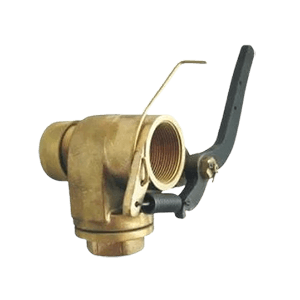
The primary purpose of a quick closing valve is speed. In the event of a fire, fuel leak, or pipe rupture, these valves can shut off the flow of fuel oil or lubricating oil within seconds. This rapid isolation prevents fuel from feeding a fire and significantly reduces the risk of explosions.Unlike manually operated valves located in hazardous areas, quick closing valves can be operated remotely, allowing crew members to act without entering danger zones.
Enhanced Fire Safety on Board
Marine engines rely heavily on fuel and lubrication systems. If a fire breaks out in the engine room, uncontrolled fuel flow can quickly turn a manageable incident into a disaster. Quick closing valves help:
-
①Cut off fuel supply to engines and generators
-
②Prevent oil from spreading flames
-
③Support fire containment strategies
This function is especially critical in confined shipboard spaces where fire spreads rapidly.
Compliance with International Maritime Regulations
Quick closing valves are not just a best practice—they are a regulatory requirement. International standards such as:SOLAS (Safety of Life at Sea).IMO regulations.Classification society rules (DNV, ABS, LR, BV, etc.)
Require quick closing valves to be installed on fuel oil tanks and supply lines. Installing certified valves ensures compliance during inspections and avoids costly penalties or operational delays.
Remote and Fail-Safe Operation
Most quick closing valves are designed with:Remote mechanical, pneumatic, or hydraulic actuation.Spring-loaded or gravity-assisted closing mechanisms
This means the valve will automatically close in case of power loss or control failure, adding an extra layer of safety. Even under harsh marine conditions—vibration, heat, or corrosion—the valve remains dependable.
Reducing Environmental and Operational Risks
Fuel leakage at sea can cause serious environmental damage and lead to heavy fines. Quick closing valves minimize:Oil spills.Machinery downtime.Repair and clean-up costs
By isolating damaged sections quickly, crews can maintain better control over onboard systems.
Supporting Safe Maintenance and Repairs
During maintenance, quick closing valves allow operators to isolate fuel tanks and pipelines safely, reducing the risk of accidental discharge. This makes routine inspections and emergency repairs safer and more efficient.
Post time: Feb-05-2026