
A Pressure Reducing Valve (PRV) is a key component in fluid control systems, whether in residential plumbing, industrial pipelines, or marine applications. Installing a PRV ensures safety, protects equipment, and improves system efficiency. Understanding how it works and why it’s essential can save you costly repairs and enhance system performance.
Why You Need a PRV
High pressure in pipelines can damage plumbing fixtures, pumps, and equipment. A PRV helps maintain optimal pressure levels, preventing leaks, bursts, and premature wear. In industrial and marine systems, uncontrolled pressure can compromise safety, reduce operational efficiency, and increase maintenance costs.
Another reason to install a PRV is water conservation. By controlling pressure, it prevents excessive water flow, reducing wastage and lowering utility bills. On ships or industrial systems, a properly set PRV ensures the system operates smoothly without overloading components.
How a PRV Works
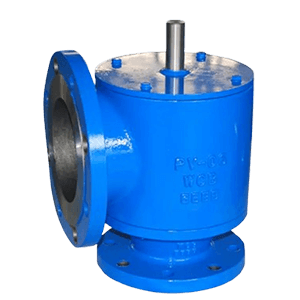
A PRV functions automatically to reduce upstream pressure to a desired downstream level. The valve contains a spring-loaded diaphragm or piston, which adjusts based on the pressure it senses. When the upstream pressure rises, the diaphragm compresses the spring, partially closing the valve to reduce flow and lower downstream pressure. Conversely, when the upstream pressure drops, the valve opens more to maintain consistent output pressure.
Some advanced PRVs include pilot-operated mechanisms for precise control in high-pressure applications. These designs are especially useful in marine, industrial, and HVAC systems, where pressure fluctuations can impact performance or safety.
Benefits of Using a PRV
-
①Protects Equipment – Maintains safe pressure for pumps, pipes, and machinery.
-
②Enhances Safety – Reduces the risk of pipe bursts, leaks, or system failure.
-
③Saves Energy – Optimizes water and fluid flow, reducing unnecessary energy consumption.
-
④Reduces Maintenance Costs – Prevents damage from pressure spikes, lowering repair needs.
-
⑤Improves System Longevity – Controlled pressure ensures longer service life for equipment.
Applications of PRVs
PRVs are widely used in residential water systems, industrial piping networks, marine fluid systems, and HVAC applications. Anywhere that consistent pressure is critical, a PRV ensures safety, efficiency, and reliability.
Installing the right PRV for your system is crucial. Selecting the correct material, size, and pressure rating ensures optimal performance. In marine and industrial applications, materials like stainless steel, bronze, or cast iron are preferred due to corrosion resistance and durability.
Post time: Dec-25-2025